What Is Hydrotherapy Massage? Ease Aches Before Autumn Chill Sets In
Hydrotherapy massage is a therapeutic technique that uses warm or cold water, sometimes combined with pressure from jets, compresses, or hands-on strokes, to relax tight muscles, improve circulation, and ease stiff joints. It is often used alongside chiropractic care to help the body recover faster from muscle strain, tension headaches, and everyday aches. With Bedford’s temperatures starting to dip this September, understanding what hydrotherapy massage is can help you address soreness now, before the deeper autumn chill makes those aches harder to shake.
What Is Hydrotherapy Massage, Exactly?
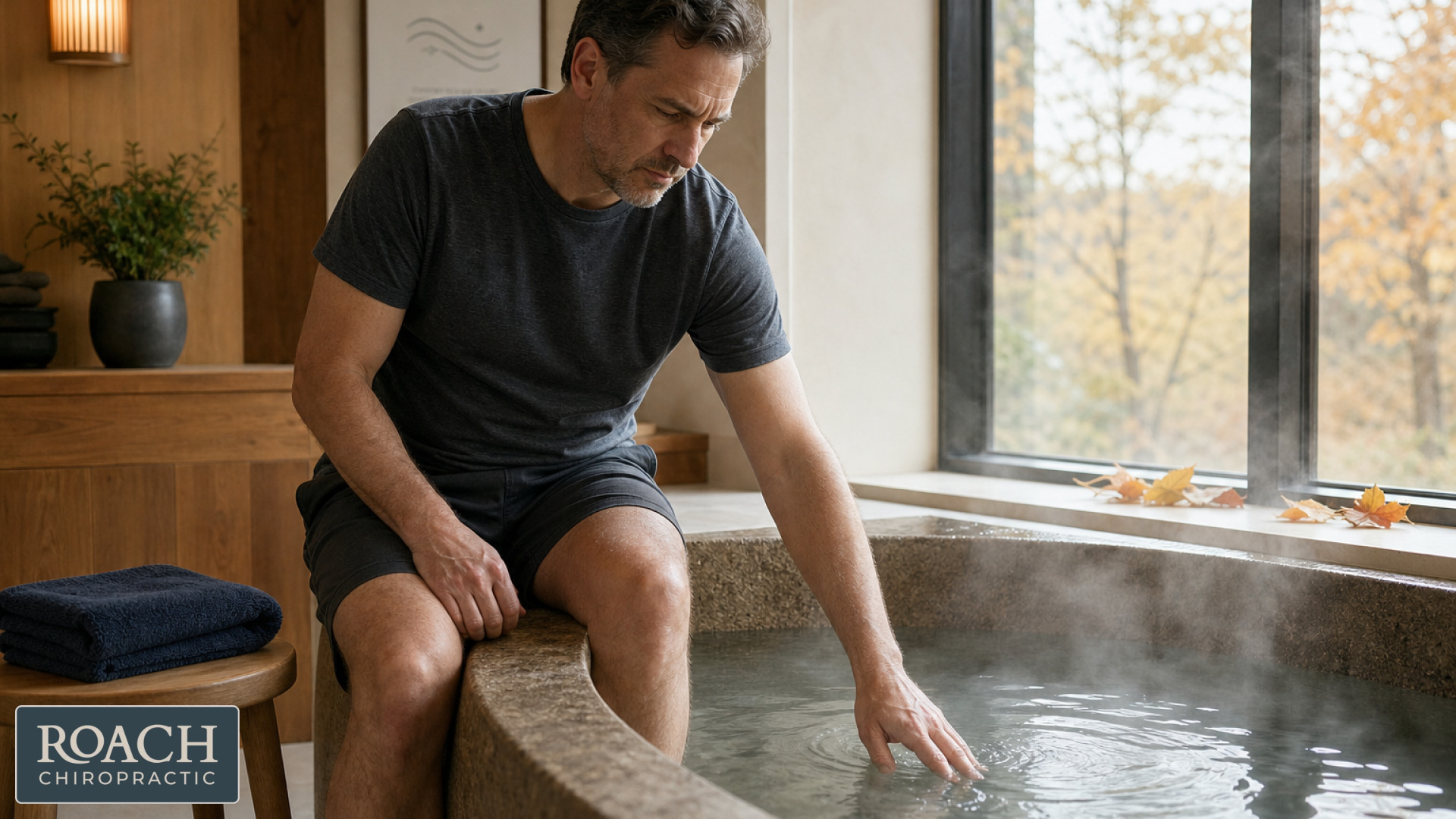
Hydrotherapy massage refers to any massage or manual therapy technique performed using water, either through submersion, jets, or alternating hot and cold applications, to relax soft tissue and support circulation. The most common forms include warm water immersion, whirlpool baths, contrast therapy (alternating hot and cold compresses), and aquatic massage strokes performed in a pool.
The underlying principle dates back centuries and is well documented in the Britannica encyclopedia entry, which explains how heat and cold water applications relieve pain, reduce swelling, and promote blood flow. Warm water relaxes muscle fibres and widens blood vessels, while cold water constricts vessels and calms inflammation, which is why many practitioners alternate between the two.
What Are the Benefits of Hydrotherapy Massage?
The benefits of hydrotherapy massage include reduced muscle tension, improved circulation, less joint stiffness, and better sleep quality after a session. It is frequently recommended for people managing chronic back pain, arthritis, or recovery from physical strain.
The Cleveland Clinic hydrotherapy guide outlines how warm water immersion can ease stiffness and swelling in joints affected by conditions like osteoarthritis, while also noting who should check with a doctor before starting hydrotherapy, including anyone with certain heart conditions or open wounds. For older adults specifically, the NCOA hydrotherapy benefits guide highlights how warm and cold water immersion can ease muscle and joint pain without placing extra strain on already sensitive joints, which is particularly relevant for senior residents managing mobility issues here in Bedford.
Why Does Hydrotherapy Massage Matter as Autumn Chill Sets In?
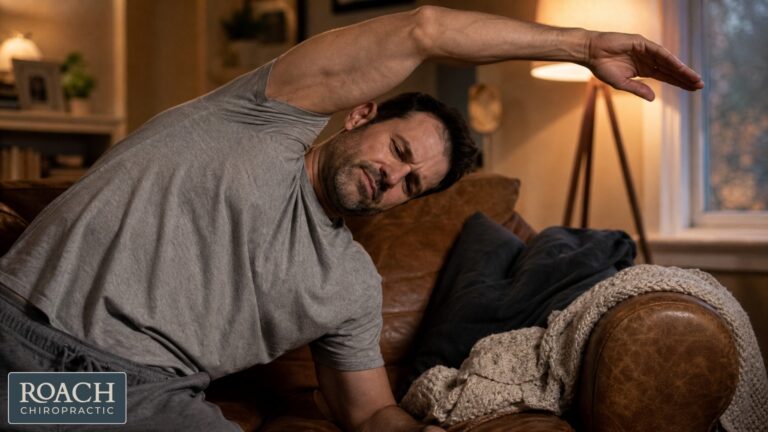
Cooler temperatures cause muscles and joints to tighten, which is why many people notice more stiffness, back pain, or flare-ups of old injuries as fall weather arrives in Nova Scotia. Addressing that stiffness early, before winter deepens, is far easier than trying to loosen months of accumulated tension in January.
At Roach Chiropractic, we see this pattern every year with active adults aged 40 to 65, office workers dealing with rounded-shoulder posture, and senior patients whose joints react strongly to falling temperatures. A short window in September and October is often the best time to get ahead of seasonal aches, whether through chiropractic adjustments, targeted stretching, or supportive therapies like warm compresses at home.
How Does Chiropractic Care Pair With Heat and Cold Therapy?
Chiropractic adjustments and hydrotherapy techniques work well together because warmth relaxes muscles before treatment while cold reduces inflammation afterward. At Roach Chiropractic Centre in Bedford, our hands-on, non-invasive approach often incorporates therapeutic heat or cold application as part of a broader treatment plan, rather than relying on a single quick-fix method.
This is one of the ways we differentiate our care from a purely adjustment-only model. Every patient, whether a pregnant woman seeking gentle pain relief, a parent chasing after young kids, or a senior managing joint mobility, receives a plan tailored to their specific muscle, skeletal, or nervous system concerns, not a generic protocol.
What Does Hydrotherapy Massage Cost, and Where Can You Find It Near Bedford?
Hydrotherapy massage sessions at spas and wellness centres typically range from about 60 to 120 dollars depending on length and technique, though pricing varies across the Halifax Regional Municipality. Some clinics offer it as a standalone spa service, while others incorporate elements of it into broader physical therapy or chiropractic treatment plans.
If you are unsure whether hydrotherapy techniques would complement your existing aches or an ongoing chiropractic treatment plan, the team at Roach Chiropractic can help you understand what combination of hands-on care and supportive therapy makes sense for your body. Call 902-404-3828 or visit us at 1658 Bedford Hwy, Unit 95, to ask about your options before the colder months settle in.
Conclusion
Hydrotherapy massage uses warm or cold water, whether through immersion, jets, or contrast compresses, to relax tight muscles, calm inflammation, and support circulation, and it pairs naturally with chiropractic care as autumn temperatures start affecting joints and posture across Bedford. Rather than waiting until winter stiffness sets in, book an assessment with Roach Chiropractic Centre today by calling 902-404-3828, emailing info@roachchiropractic.com, or visiting roachchiropractic.com to start your journey to better health this season.
Frequently Asked Questions
What’s the difference between contrast therapy and just alternating a heating pad with an ice pack at home?
Contrast therapy follows a more structured pattern of moving between warm and cold water applications to deliberately widen and then constrict blood vessels, which flushes the area with fresh circulation. A heating pad and ice pack can mimic some of this effect at home, but water immersion or compresses distribute temperature more evenly across muscles and joints than a single dry surface. For chronic issues or sensitive joints, working with a practitioner who can guide timing and temperature is more effective than guessing at home.
How soon before a chiropractic adjustment should I use warm water or a compress?
Applying warmth 10 to 15 minutes before an adjustment helps relax muscle fibres and widen blood vessels, making the tissue more receptive to hands-on treatment. Cold application is typically reserved for afterward, since it constricts vessels and helps calm any inflammation the adjustment may stir up. At Roach Chiropractic, this sequencing is built into a broader treatment plan rather than left to guesswork.
Is hydrotherapy massage a substitute for chiropractic adjustments, or does it only work alongside them?
Hydrotherapy massage is a supportive therapy, not a replacement for chiropractic adjustments, since it addresses soft tissue and circulation while adjustments target joint alignment and nervous system function. The two work best together, with warmth preparing muscles before an adjustment and cold reducing inflammation afterward. Relying on hydrotherapy alone would leave the underlying skeletal or nervous system concerns unaddressed.
Do I need to see a doctor before trying hydrotherapy if I have a heart condition or arthritis?
Yes, anyone with certain heart conditions, open wounds, or other significant health concerns should check with a doctor before starting hydrotherapy, as noted by the Cleveland Clinic. For arthritis specifically, warm water immersion is often well tolerated and can ease joint stiffness without added strain, but a medical or chiropractic assessment beforehand ensures the approach fits your specific condition. This is especially relevant for older adults managing multiple health factors at once.
Since Roach Chiropractic is located in Bedford, do they offer hydrotherapy massage on-site or only recommend it as a separate service?
Roach Chiropractic Centre incorporates therapeutic heat and cold application as part of a broader chiropractic treatment plan rather than operating as a standalone spa offering full water immersion or whirlpool services. Full aquatic hydrotherapy is typically found at dedicated spas or wellness centres across the Halifax Regional Municipality, ranging from about 60 to 120 dollars per session. Call 902-404-3828 to discuss which combination of chiropractic care and supportive hot or cold therapy fits your needs.
SHARE THIS